
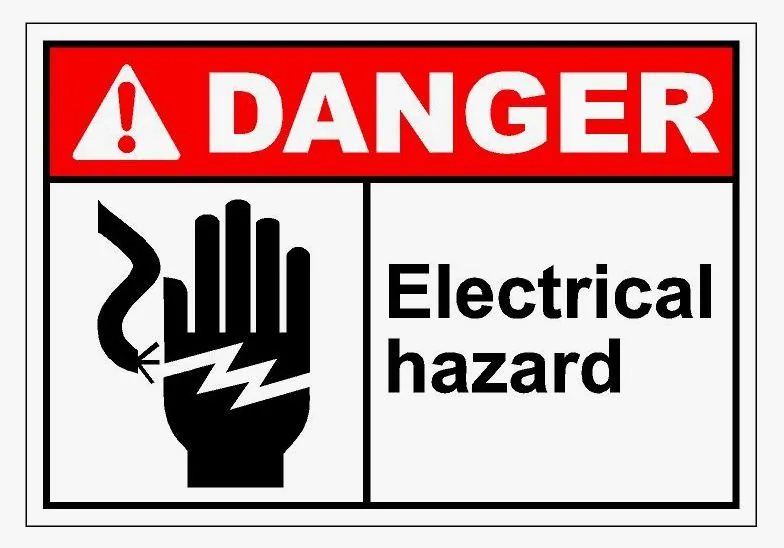
Why Electrical Safety Hazards Should Be a Priority
1. Faulty Wiring and Exposed Wires
One of the most common electrical hazards in homes and businesses is faulty or outdated wiring. Over time, wires can degrade, become exposed, or suffer from wear and tear, increasing the risk of electrical fires or shocks. Exposed wires are particularly dangerous, as they can lead to short circuits or electrical fires if they come into contact with other objects.
How to Address Faulty Wiring
2. Overloaded Circuits
Signs of an Overloaded Circuit
If you experience frequent power outages, tripped circuit breakers, or burnt-out outlets, this could be a sign of an overloaded circuit. The best course of action is to call an Electrician in Vancouver to evaluate your electrical system and upgrade it to meet your current power needs. This may involve adding additional circuits or upgrading your electrical panel.
3. Improper Use of Extension Cords
Safe Use of Extension Cords
Always use extension cords that are rated for the electrical load they will carry. Never daisy-chain multiple extension cords together, and avoid running them under carpets or across high-traffic areas, as this can lead to wear and tear. If you find that you are constantly using extension cords, it may be time to call an Electrician in Vancouver to install additional outlets.
4. Wet or Damp Conditions
Electricity and water are a dangerous combination. Wet or damp conditions can cause electrical components to short-circuit, leading to electrical shock or fire. This is particularly important in areas like bathrooms, kitchens, and outdoor spaces, where water exposure is more likely.
Preventing Electrical Hazards in Wet Areas
Make sure that any outlets near water sources are equipped with Ground Fault Circuit Interrupters (GFCIs). These devices are designed to shut off electrical power if they detect any imbalance in the current flow, helping to prevent electrical shock. If your home or business does not have GFCIs installed, it’s highly recommended to contact an Electrician in Vancouver to have them installed.
5. Outdated Electrical Panels
Older homes and businesses often have outdated electrical panels that were not designed to handle today’s power demands. Outdated panels can become overloaded easily, leading to frequent power outages or, in extreme cases, electrical fires. Panels that are more than 20-30 years old may also contain parts that have been discontinued, making them unsafe and inefficient.