
Call immediately if you have
A burning smell or scorch marks
A burning or fishy smell near a panel, outlet or switch means heat where there should be none. Switch off the circuit at the panel if you can do so safely, stop using it, and call.
Sparks, arcing or a shock
An outlet or switch that sparks, buzzes, or has given someone a shock is a fault, not a quirk. Stop using it and leave it off until it has been inspected.
Water on electrical equipment
Flooding, a leak above a panel, or water reaching outlets and fixtures. Do not touch the equipment. If it is safe to reach the main, isolate it and call.
Power lost to part of the building
When one area goes dark and the rest is fine, something has failed between the panel and that area. In a business or a rental this is usually urgent for reasons beyond the fault itself.
What happens when you call
The first thing we establish is whether anything needs to be switched off before we arrive. Some faults are safe to leave; a scorched connection or water near live equipment is not, and the fastest safety improvement is often something you can do at the panel while still on the phone.
From there we attend, isolate the affected circuit, and trace the fault to its source rather than replacing the visible part. Emergency work is still regulated work: it is carried out to the Canadian Electrical Code as adopted in British Columbia, with permits and inspection where the repair requires them.
Where a fault is made safe but not fully resolved in one visit — an obsolete panel, deteriorated aluminum connections, an undersized service — you will be told exactly what remains and why, rather than being left to assume the matter is closed.
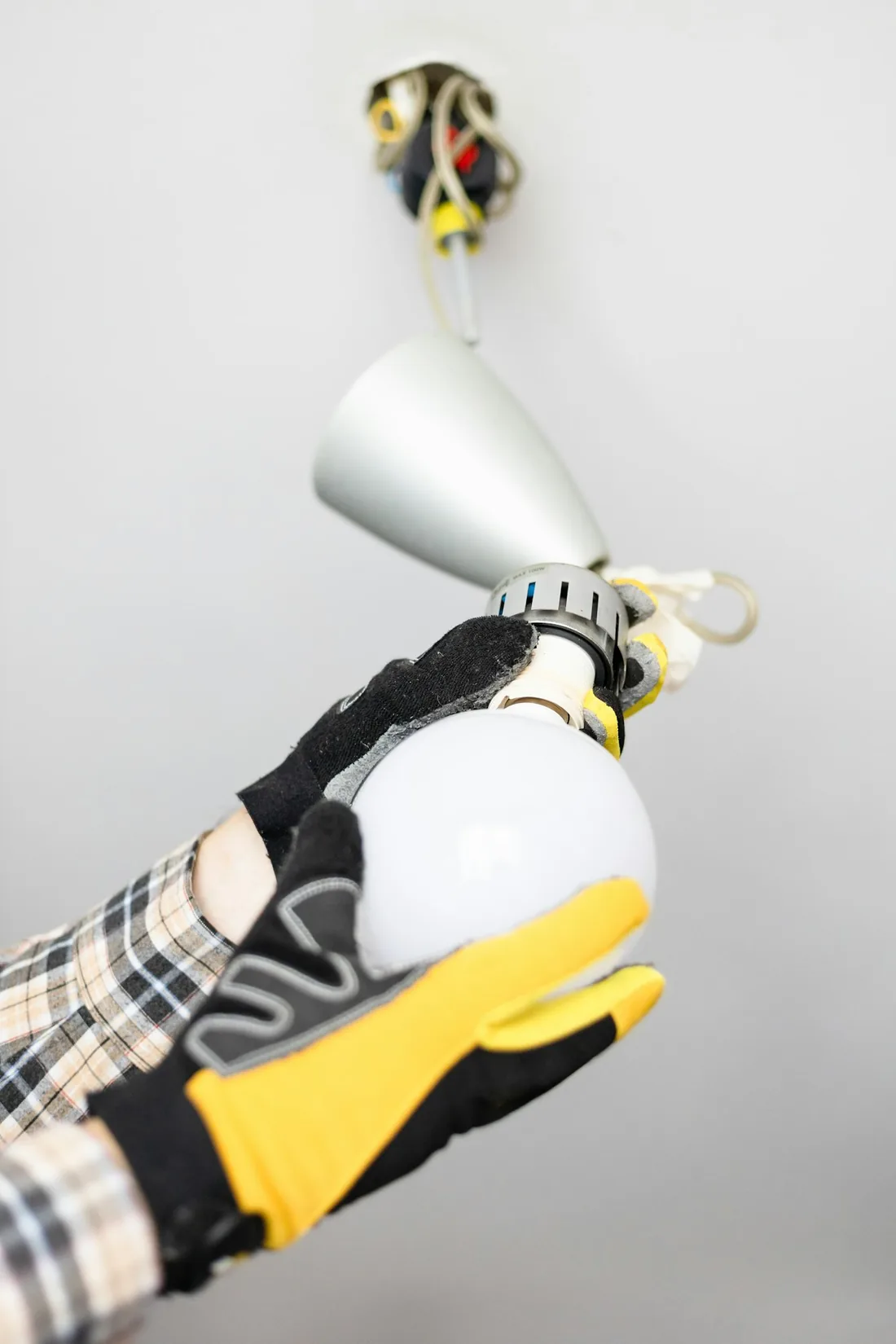
Making a fault safe
- 01
Stop using the circuit
If something is hot, scorched, sparking or smells of burning, stop using it. Continuing to draw load through a failing connection is what turns a fault into a fire.
- 02
Switch it off at the panel
If you can identify the breaker and reach the panel safely, switch that circuit off. Do not open the panel cover.
- 03
Call and describe it
What you can see, smell or hear, and which parts of the building are affected. That determines how urgent it is and what we bring.
- 04
Keep people away from it
Keep children and pets clear of the affected outlet, fixture or panel until it has been inspected.
- 05
Let it be traced properly
Once on site the circuit is isolated and the fault traced to its cause, so the repair addresses what actually failed.
FAQs
What counts as an electrical emergency?
Anything involving heat, smoke, burning smells, sparking, arcing, an electric shock, or water reaching electrical equipment. Loss of power to part of a building also qualifies when it affects heating, refrigeration, security, or the ability to trade. A single dead outlet with no other symptom is usually a repair that can be scheduled rather than an emergency.
Should I switch off the main breaker myself?
You can switch off an individual circuit breaker, and you should if that circuit is causing the problem. Switching off the main is reasonable when water is involved or you cannot identify the affected circuit. What you should not do is open the panel cover or attempt to inspect inside it, because everything behind that cover stays live even with the breakers off.
My breaker will not reset. What does that mean?
It means the condition that tripped it is still present. A breaker that immediately trips again is telling you there is a short or a ground fault on that circuit. Repeatedly forcing it to reset is unsafe: leave it off and have the circuit traced.
Is a burning smell always an emergency?
Treat it as one. A burning or fishy odour near a panel, outlet or switch usually indicates overheating at a connection, and overheating is the stage before failure. Switch the circuit off, stop using it, and have it inspected before it is used again.
Do you handle emergencies for businesses as well as homes?
Yes. Commercial and strata work runs alongside our residential service. For a business the urgency often comes from what the fault stops rather than the fault itself — refrigeration, tills, lighting or access control — so tell us what is affected when you call.
Will the repair be permitted and inspected?
Where the work requires a permit, yes. Making a fault safe and carrying out a compliant repair are two stages, and the second is done properly rather than left informal. Uninspected electrical work can create problems later during a sale or an insurance claim.
Powering Your Future—Fill Up the Form Below!
Tell us what is happening and a licensed Elpro electrician will get back to you.
Call 604-512-2207