
Current Safety Regulations in Electrical Work
OSHA Standards and Compliance
Lockout/Tagout Procedures (29 CFR 1910.147): These procedures prevent the accidental energization of electrical systems during maintenance.
Hazardous Energy Control (29 CFR 1910.333): This regulation addresses safe practices for servicing and maintaining electrical systems, including the use of electrical isolation devices.
National Electrical Code (NEC)
Grounding and Bonding Requirements
Overcurrent Protection
Arc-Fault and Ground-Fault Circuit Interrupters (AFCIs and GFCIs)
Safe Electrical Design and Installation
PPE Advancements in Electrical Work
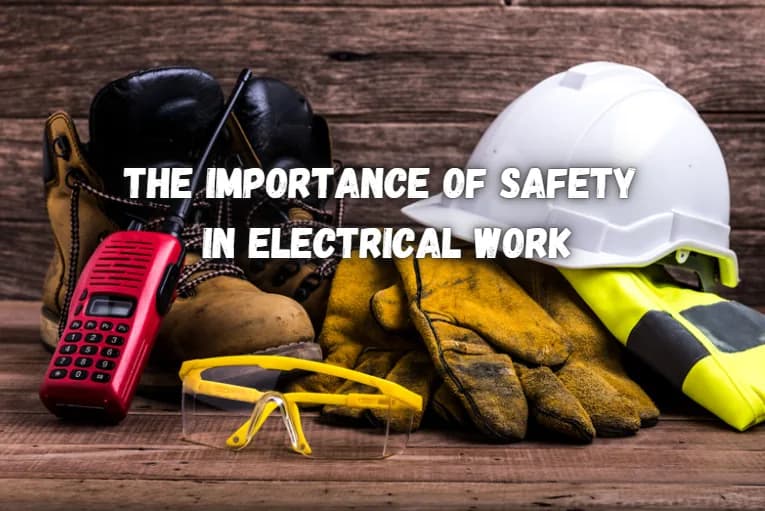
Personal Protective Equipment (PPE) plays a critical role in protecting workers from electrical hazards. Over the years, advancements in PPE technology have provided greater protection, comfort, and durability for electrical workers.
Arc-Rated Clothing and Gloves
Cost considerations: High-quality arc-rated clothing and gloves can range from $150 to $500 , depending on the level of protection and customization required for a specific job.
Insulated Tools and Equipment
Insulated tools can range in price from $20 to $150 per tool , depending on the quality and voltage rating.
Head, Eye, and Hearing Protection
Best Practices for Reducing Risks in Electrical Work
Adopting best practices is essential for minimizing the risks associated with electrical work. These practices go beyond compliance with regulations and emphasize proactive measures that keep job sites safe.
Regular Safety Training and Certification
Training costs can range from $300 to $1,200 per worker , depending on the level of certification required.
Conducting Job Hazard Analysis (JHA)
Establishing Lockout/Tagout Procedures
When to Call a Professional Electrical Safety Expert
Complex Electrical Systems: If a project involves high-voltage systems or complex electrical setups, it’s critical to consult with an experienced electrician or electrical engineer. They can assess the system for potential hazards and design safe solutions.