
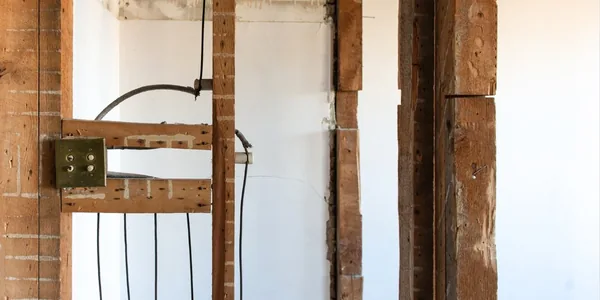
You've just fallen in love with a beautiful 1920s Craftsman home in Mount Pleasant, complete with original hardwood floors, heritage windows, and that unmistakable character that makes Vancouver's older neighborhoods so desirable. Then your home inspector delivers the news: "This house still has knob and tube wiring throughout."
Understanding Knob and Tube: Why Vancouver Heritage Homes Need Electrical Updates
Knob and tube wiring was the standard electrical installation method from the 1880s through the 1940s , and many Vancouver heritage homes still depend on these nearly century-old systems for their daily electrical needs. Understanding why this outdated system poses challenges helps homeowners make informed decisions about replacement timing and methods.
Insulation deterioration compounds the fire risk. The rubber and cloth insulation used in original knob and tube installations becomes brittle and fragile after decades of use . This deteriorated insulation can crack, exposing hot wires and creating fire hazards, especially in areas where insulation has been added around the wiring—a common problem in heritage home energy efficiency upgrades.
Insurance companies increasingly refuse coverage for homes with active knob and tube wiring. Most major Canadian insurers now require electrical inspections and often mandate replacement before providing homeowner's insurance. Some insurers may provide temporary coverage but require replacement within 30-60 days of policy activation.
Heritage home-specific challenges include:
Limited wall and ceiling access due to lath and plaster construction
Potential damage to original architectural features during rewiring
Heritage designation restrictions that may complicate renovation approaches
Increased costs due to careful preservation requirements during electrical work
Vancouver's 2025 Permit Process: Navigating Heritage Property Electrical Upgrades
All electrical rewiring requires permits , regardless of heritage designation. Licensed electricians must apply for electrical permits through the City of Vancouver before beginning any knob and tube replacement work. These permits ensure compliance with current British Columbia Electrical Code standards and include mandatory inspections at multiple project stages.
Heritage-designated properties require additional approvals through Vancouver's heritage planning department. Heritage Revitalization Agreements (HRAs) or heritage designation bylaws may specify requirements for preserving original electrical fixtures, maintaining historical character during upgrades, or using specific installation methods that minimize impact on heritage features.
The digital permit tracking system introduced in 2025 provides better coordination between electrical and heritage approvals. Homeowners can monitor permit status online and receive automated updates when inspections are required or approvals are granted. This system reduces delays and improves communication between different city departments.
Permit costs vary based on project scope but typically range from $200-800 for residential rewiring projects. Heritage properties may incur additional fees for heritage compliance reviews, and complex projects requiring multiple permits can cost significantly more.
Essential permit documentation includes:
Detailed electrical plans showing new circuit layouts and panel upgrades
Heritage impact assessment for designated properties
Material specifications confirming code compliance
Timeline coordination with other renovation activities
Neighbor notification for projects affecting shared building elements
Pro tip: Engaging electricians experienced with heritage properties significantly streamlines the permit process. Elpro Electric specializes in heritage home electrical upgrades and maintains established relationships with Vancouver's heritage planning department, expediting approvals and ensuring compliance with both electrical codes and heritage requirements.
Installation Challenges: Working Within Heritage Home Constraints
Heritage home electrical installations present unique technical challenges that require specialized approaches and experienced electricians who understand both modern electrical requirements and historical construction methods.
Lath and plaster walls complicate wire routing significantly compared to modern drywall construction. Original plaster walls cannot be easily opened and closed like modern construction, requiring careful planning to minimize damage to historical finishes. Often, new electrical routes must follow existing pathways or use creative routing through basements, attics, and interior wall cavities.
The disconnection approach is often preferred over complete removal of old knob and tube wiring. Physically removing original wiring can cause extensive damage to plaster walls and ceilings, disrupting historical character and increasing restoration costs. Instead, old wiring is safely disconnected and new circuits are installed alongside existing pathways where possible.
Panel upgrades are typically necessary when replacing knob and tube systems. Heritage homes often have outdated electrical panels with insufficient capacity for modern electrical loads. New panels must be strategically located to minimize impact on heritage features while providing adequate electrical capacity and meeting current code requirements.
Access limitations require creative solutions. Many heritage homes have limited basement headroom, narrow crawl spaces, or inaccessible attic areas that complicate electrical installation. Experienced electricians develop alternative routing strategies that work within these constraints while maintaining electrical code compliance.
Coordination with other trades is essential during heritage home electrical upgrades. Plumbing, HVAC, and restoration contractors must coordinate their work to avoid conflicts and minimize disruption to heritage features. Project sequencing becomes critical to ensure electrical work integrates properly with other renovation activities.
Heritage-specific installation considerations:
Minimal disruption techniques to preserve original plaster and millwork
Strategic outlet and switch placement that respects original room layouts
Period-appropriate fixture integration that maintains historical character
Concealed wiring methods that avoid visible modern installations
Foundation and structural considerations for panel and service upgrades
Coordinated restoration planning to address any necessary repair work
Cost Considerations and Insurance Requirements
Knob and tube replacement costs in Vancouver heritage homes typically range from $8,000-25,000 depending on home size, accessibility challenges, and heritage preservation requirements. Understanding these costs and insurance implications helps homeowners budget effectively and avoid surprises.
Base electrical work costs for knob and tube replacement include new electrical panel installation ($2,000-4,000) , complete home rewiring ($6,000-15,000) , and permit and inspection fees ($500-1,500) . Heritage homes often exceed these ranges due to access complications, restoration requirements, and specialized installation techniques needed to preserve original features.
Insurance requirements drive replacement urgency for many Vancouver homeowners. Most insurers now refuse new policies for homes with active knob and tube wiring, while existing policies may be cancelled at renewal if electrical upgrades aren't completed. Some insurers provide 60-90 day grace periods for new homeowners to complete electrical updates, but these deadlines are firm.
Heritage restoration adds significant costs when electrical work disturbs original finishes. Plaster repair, millwork restoration, and period-appropriate fixture integration can double project costs. However, these investments preserve property value and maintain the heritage character that attracted you to the home originally.
Financing options can help manage costs. BC Hydro rebates for electrical efficiency upgrades, heritage restoration grants for designated properties, and specialized heritage home mortgages that include renovation costs can make projects more affordable. Many electricians also offer payment plans for major rewiring projects.
Property value impacts are generally positive. Updated electrical systems increase home value by 5-10% and improve marketability significantly. Modern electrical capacity appeals to buyers and removes major concerns that could delay or complicate future sales.
Cost breakdown for typical heritage rewiring:
Electrical panel upgrade: $2,500-4,500 including permits
Complete home rewiring: $8,000-18,000 depending on complexity
Heritage feature restoration: $2,000-8,000 for damaged finishes
Period fixture integration: $1,000-3,000 for appropriate fixtures
Permit and inspection fees: $600-1,200 total project costs
Insurance premium reductions: Often offset annual costs by $500-1,500
Modern Electrical Standards: Bringing Heritage Homes into 2025
Current electrical codes require significantly more circuits than heritage homes originally provided. Modern kitchens alone need 6-8 dedicated circuits for appliances, outlets, and lighting, compared to single circuits that served entire floors in original installations. Bedrooms, bathrooms, and living areas each need multiple circuits to handle today's electrical demands safely.
Smart home integration is increasingly requested by heritage home owners who want modern convenience alongside historical character. Smart switches, outlets, and lighting controls can be installed in ways that preserve original fixture appearances while adding contemporary functionality like remote control, scheduling, and energy monitoring.
Electric vehicle charging preparation is becoming standard in Vancouver electrical upgrades. Adding 240V outlets in garages or driveways requires significant electrical capacity that heritage homes rarely possessed. Planning EV charging capability during rewiring prevents costly future electrical upgrades.
Energy efficiency considerations include LED lighting compatibility, high-efficiency appliance circuits, and smart electrical monitoring that helps homeowners optimize energy usage. Heritage homes often benefit significantly from electrical efficiency improvements that reduce operating costs.
Modern electrical features for heritage homes:
Individual room circuit protection with appropriate capacity for modern loads
Kitchen appliance circuits designed for contemporary cooking and food storage needs
Home office electrical support for computers, printers, and networking equipment
Climate control electrical infrastructure for heat pumps and air conditioning
Security system integration with appropriate power and data connections
Outdoor electrical services for landscape lighting, hot tubs, and seasonal decorations
The key to success is working with electricians like Elpro Electric who understand both heritage preservation requirements and cutting-edge electrical technologies . This expertise ensures electrical upgrades enhance rather than compromise your heritage home's unique character.
Choosing the Right Electrician: Heritage Home Expertise Matters
Selecting an electrician experienced with heritage homes can mean the difference between a successful upgrade and a costly disaster that damages irreplaceable historical features while failing to meet modern electrical requirements.
Heritage home electrical work requires specialized skills beyond standard residential wiring. Understanding of historical construction methods, experience with lath and plaster walls, and knowledge of heritage preservation principles are essential for successful projects. General residential electricians may lack these specialized capabilities.
Licensing and insurance verification is crucial for heritage projects. All electrical work must be performed by licensed electricians with appropriate insurance coverage. Heritage property insurance requirements may be more stringent than standard residential coverage, making verification essential before beginning work.
References from similar projects provide valuable insights into electrician capabilities. Ask for references from other heritage home owners and visit completed projects when possible. Online reviews specific to heritage work can reveal important information about electrician experience and customer satisfaction.
Coordination capabilities are essential for complex heritage renovations. Electrical work must integrate with other trades including plumbers, HVAC contractors, and heritage restoration specialists. Project management experience with multi-trade coordination prevents conflicts and delays.
Cost transparency and detailed estimates help avoid surprises in complex heritage projects. Experienced heritage electricians provide comprehensive estimates that account for access challenges, restoration requirements, and contingency planning for unexpected discoveries common in older homes.
Essential electrician qualifications:
Current BC electrical licensing with heritage project experience
Comprehensive liability insurance appropriate for heritage property work
Portfolio of completed heritage electrical projects with references
Understanding of Vancouver heritage preservation requirements and permit processes
Coordination experience with other renovation trades and heritage consultants
Detailed estimation capabilities that account for heritage-specific challenges
Vancouver Electrician | Elpro Electric
Frequently Asked Questions
1. How quickly can a Vancouver electrician replace knob and tube wiring in a heritage home?
Replacement timelines vary depending on home size and access, but experienced Vancouver electricians typically complete the job within 1 to 3 weeks while minimizing damage to historic finishes.
2. Can Elpro Electric provide an estimate for knob and tube wiring replacement?
Yes, Elpro Electric offers free, detailed estimates tailored to your heritage home’s unique electrical needs and scope of work, ensuring clear budgeting and planning.
3. Are there financing options available for electrical upgrades in Vancouver heritage homes?
5. How does rewiring affect insurance approval for heritage homes?
Replacing knob and tube wiring with a modern system greatly improves the chance of insurance approval or renewal, removing common insurer concerns over fire hazards.
People Also Ask
1. Can knob and tube wiring be safely used if it is not removed?
While some knob and tube wiring may still function, it is generally unsafe by modern standards due to lack of grounding and insulation deterioration, and it often fails insurance requirements.
2. What are the signs that knob and tube wiring needs replacement?
Signs include frequent electrical issues, flickering lights, burning smells, insurance denials, and inspection reports indicating fire hazards or code non-compliance.
3. Does rewiring a heritage home damage its historical features?
Qualified electricians use minimally invasive techniques to preserve plaster, millwork, and other original features while upgrading electrical systems to modern standards.
4. How does smart home technology integrate with heritage electrical systems?
Smart controls can be discreetly installed alongside preserved fixtures, allowing modern convenience without compromising historical aesthetics.
5. Is an electrical panel upgrade always necessary with knob and tube replacement?
Most heritage homes require new panels with greater capacity to safely support modern electrical loads, ensuring code compliance and future-proofing.