Elpro Electric insights

1. Poor Wiring and Faulty Wires

Home electricity

Electricity is a part of modern life, powering our lights and appliances. But it also comes with risks that can be deadly if not managed properly. Every home, office and factory relies on electrical systems so we need to be aware of the risks. Identifying and addressing these risks can prevent fires, electric shocks and other nasty situations. Here are 8 of the most common electrical hazards in your home and how to manage them.

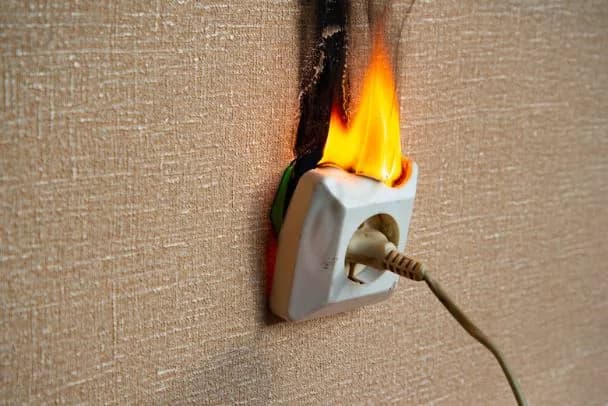
[caption id="attachment_10649" align="alignnone" width="605"] Home poor wiring[/caption]
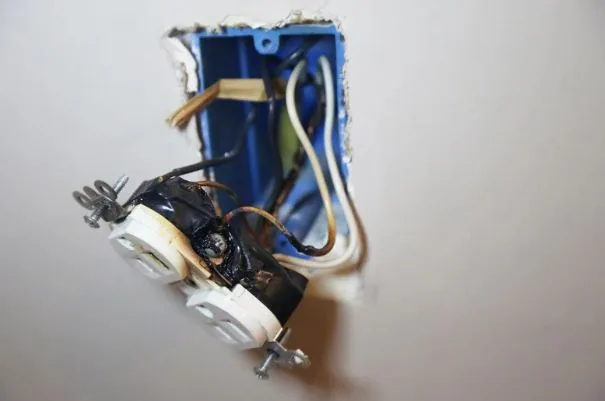
1. Poor Wiring and Faulty Wires

Key Point: According to the National Fire Protection Association (NFPA), electrical failures or malfunctions were the 2nd leading cause of home fires in the US from 2012 to 2016, accounting for 13% of all reported home fires.

2. Damaged, Worn or Corroded Wires

Home poor wiring

3. Outlets near Water

To reduce this risk use Ground Fault Circuit Interrupter (GFCI) outlets in areas with water exposure. GFCI outlets can cut off power if they detect a ground fault and protect against electric shock. Keep outlets away from direct water contact and make sure any appliances used near water are grounded.

4. Lightbulbs near Flammable Materials

Always keep light fixtures away from flammable materials. Use the correct wattage bulb for each fixture to prevent overheating. Overloaded light fixtures can get extremely hot and increase the risk of fire. Consider using LED bulbs which generate less heat than incandescent bulbs.

Home damaged wiring cause overheating

5. Covered Electrical Cords and Wires

Covering electrical cords and wires can cause overheating which can lead to electrical fire . Heavy coverings can trap heat and prevent air circulation and make the cords hot.

To prevent overheating avoid running cords under carpets, rugs or heavy furniture. Keep cords exposed and ensure they have good ventilation. If possible use power strips with built-in circuit breakers that can cut off power if they detect overheating. Properly managing your electrical cords and wires can prevent fire hazards .

[caption id="attachment_10650" align="alignnone" width="608"] Home damaged wiring cause overheating[/caption]

6. Water on Electrical Fires

A common myth is that water can put out any fire, but that’s not true for electrical fires . Pouring water on an electrical fire can make it worse as water conducts electricity and can spread the fire or cause electric shock.

Instead use a fire extinguisher designed for electrical fires, typically labeled as a Class C extinguisher. These extinguishers use non-conductive chemicals to put out electrical fires. If you don’t have a fire extinguisher, turn off the power source and call the fire department immediately.

Home extension cords

7. Curious Young Children

Children are curious and may be tempted to explore electrical outlets and cords which can lead to serious injury or even death. Babies and toddlers are at risk of electric shock if they insert objects or their fingers into outlets.

Key Point: According to the National Institutes of Health (NIH) about 2,400 children each year suffer severe shock and burns after sticking objects into outlets.

8. Wet Hands and Electrical Appliances

Using electrical appliances with wet hands increases the risk of electric shock. Wet hands provide a path for electricity to travel through the body and can cause serious injury. Common scenarios are reaching for a hairdryer with wet hands or touching a light switch after washing hands.

To prevent electric shock dry your hands thoroughly before handling any electrical device. Keep appliances away from sinks, bathtubs and showers and ensure electrical devices in bathrooms and kitchens are GFCI-protected.

9. Misuse of Extension Cords

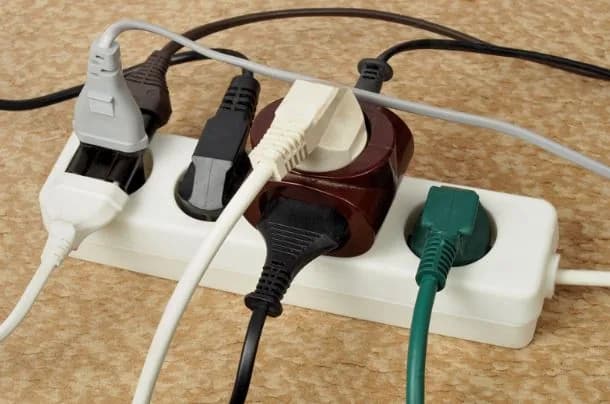
Extension cords are useful for temporary power needs but can be hazardous if misused. Overloading extension cords by plugging in too many devices can cause overheating and fire. Using cords that are not rated for the power requirements of the devices connected can also cause overheating .

To use extension cords safely choose cords that are rated for the power needs of your devices. Avoid daisy-chaining multiple cords together and never use extension cords as a permanent solution. Inspect cords regularly for damage and replace any that show signs of wear or fraying.

Key Point: According to the U.S. Fire Administration (USFA) 50% of extension cord related fires are due to overloaded cords or short circuits.

[caption id="attachment_10651" align="alignnone" width="610"] Home extension cords[/caption]

Stay Safe by Addressing Electrical Hazards

Electrical hazards in the home can be dangerous but can be managed and minimized with awareness and precautions. By knowing these common hazards – poor wiring, outlets near water and misuse of extension cords – and taking action to address them you can protect your home and loved ones from electrical accidents.

Related posts

Call Elpro Electric