
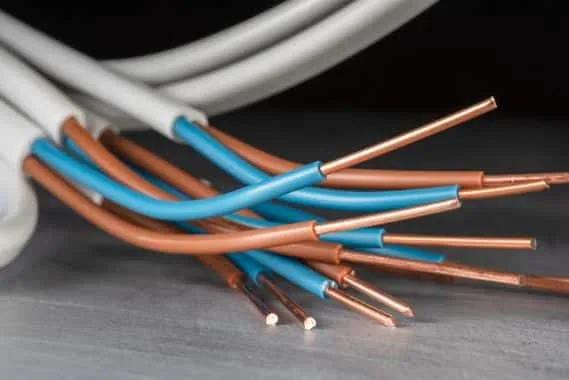
Aluminum Wiring and Electrical Charge Hazards
Many homes built between the 1960s and 1970s were equipped with aluminum wiring. While it was standard practice at the time, aluminum wiring has a higher propensity for oxidation compared to copper, leading to overheating and an increased risk of electrical fires. The nature of electric charge in aluminum makes it more susceptible to oxidation, rendering it a less reliable conductor over time.
Knob-and-Tube Wiring and Insufficient Electricity Flows
Knob-and-tube wiring, common in homes built before the 1950s, is another outdated electrical system that presents significant risks. This type of wiring lacks proper grounding and cannot support the modern electricity flows required by today’s electrical devices, increasing the risk of electrical fires and inefficiencies. Unlike modern systems that utilize kinetic energy in the generation of electricity, knob-and-tube wiring is not equipped to handle the dynamic energy demands of contemporary homes.
Overloaded Circuits and the Challenges of Electrical Energy Management
Electrical Overloaded Circuits
Older homes were not designed to accommodate the multitude of electrical devices we use today, often leading to overloaded circuits. When the electric current exceeds the capacity of the wiring, it can cause frequent breaker trips, disrupting the power supply and posing potential fire hazards. Historically, the growing demand for electricity has been met by fossil fuels, but there is now a significant shift towards renewable energy sources to address environmental challenges and promote sustainability.
Solution: Upgrading the electrical panel to a higher capacity, such as 200 amps, can resolve this issue and meet the growing demand for electricity. The cost for this upgrade typically ranges from $1,500 to $3,000. A professional electrician should assess your home’s electrical needs and ensure a safe, efficient installation that effectively manages increased electricity flow.
Old or Faulty Outlets and the Risks of Static Electricity
Electrical Faulty outlets
Two-Prong Outlets and Grounding Deficiencies
Many older homes still have two-prong outlets, which lack proper grounding and pose a significant shock risk. Grounding is crucial for safely managing electrical energy and ensuring any excess electric charge is directed away from users and devices, preventing shocks and fires.
Worn-Out Outlets and Electrical Energy Loss
Outlets in older homes can wear out over time due to frequent use, leading to loose connections. Loose connections can generate heat, potentially causing electrical fires, and contribute to the inefficient use of electrical energy. Inefficient outlets can lead to significant electric energy loss, impacting overall energy efficiency in the home.
Insufficient Lighting and Outdated Fixtures
Old Fixtures and Energy Efficiency Concerns
Outdated Electrical Panels and the Growing Demand for Electric Power
Quick Statistics on Electrical Services and Energy Costs
Rewiring an entire home: $8,000 to $15,000
Upgrading electrical panels: $1,500 to $3,500
Replacing outlets: $100 to $300 per outlet
Installing new light fixtures: $150 to $300 per fixture
Costs of generating electricity: Vary significantly based on the source, such as hydroelectric, nuclear, natural gas, and coal, impacting overall energy costs across Canada
Professional electrical services are crucial for ensuring that any upgrades or repairs meet the standards set by electric utilities and comply with modern electrical codes.
When to Call a Professional Electrician
Frequent Circuit Breaker Trips: This often indicates overloaded circuits or short circuits, requiring professional attention to prevent potential fire hazards and ensure safe electricity flows.
Flickering Lights: Flickering lights can signify loose wiring connections, which can lead to electrical fires if not promptly addressed by an electrician.
Burning Smell or Sparks: Any burning smell or visible sparks are clear indicators of serious electrical problems that require immediate professional intervention.
Electrical Shocks: Experiencing electrical shocks from outlets or switches is a sign of faulty wiring or improper grounding. An electrician should be called immediately to investigate and resolve the issue.
Key Takeaways
Understanding Electricity
Electricity, the flow of electrons between two points due to a potential difference, powers our daily lives. It can be generated from renewable sources like solar and wind or non-renewable sources such as natural gas and coal.
Common Electrical Problems in Older Homes
Outdated Wiring : Replacing old wiring with modern materials reduces fire risks and improves electrical flow. Modern electrical systems are designed to generate electricity more efficiently, further reducing fire risks and enhancing overall performance.
Insufficient Electrical Panels : Upgrading to a higher-capacity panel prevents circuit breaker trips and potential fires.
Ungrounded Outlets : Properly grounded outlets prevent electric shocks and protect devices.
Benefits of Professional Electrical Services
Certified electricians provide essential services, including:
Electrical inspections to identify issues.
Safe solutions for wiring upgrades and panel replacements.
Compliance with local electrical codes and regulations.
Recognizing When to Seek Help
Frequent circuit breaker trips.
Flickering lights.
Buzzing sounds from outlets or switches.
Presence of outdated wiring.