
Vancouver Electrician Guide: Why Vancouver's Electrical Infrastructure is Reaching Breaking Point
Vancouver's unique combination of aging building stock, aggressive climate policy, and rapid technological adoption has created unprecedented stress on residential and commercial electrical systems. Understanding these converging forces helps explain why sub-panel upgrades have become essential rather than optional for property owners across the Lower Mainland.
The electrification mandate represents the single biggest driver of electrical demand increases in Vancouver history. British Columbia's CleanBC plan requires significant reductions in natural gas usage, pushing property owners toward electric heat pumps, induction cooking, and electric hot water systems. A typical gas-to-electric conversion can increase a property's electrical load by 60-80%, often exceeding the capacity of existing 100-amp or smaller electrical systems.
Consider the electrical load implications: a modern air-source heat pump requires 30-50 amps of dedicated electrical capacity, while an induction cooktop needs another 40-50 amps. Add an EV charger at 40 amps, and you've already exceeded the total capacity of most older electrical panels before accounting for basic household needs like lighting, outlets, and water heating. This math simply doesn't work without significant electrical infrastructure upgrades.
Vancouver's building age profile compounds the problem significantly. Over 60% of the city's residential housing stock was built before 1990, when electrical codes called for much lower capacity systems. Many Vancouver homes still operate on 60-amp or 100-amp services that were considered adequate for simpler electrical demands but are completely inadequate for modern living patterns.
The smart home revolution adds another layer of electrical demand that building designers never anticipated. Modern homes contain dozens of always-on devices—smart thermostats, security systems, WiFi networks, charging stations, home automation hubs—that create constant baseline electrical loads. When combined with periodic high-demand activities like electric vehicle charging or running multiple appliances simultaneously, these smart home systems can push older electrical panels beyond their safe operating limits.
Vancouver's density increases create additional complications for electrical upgrades. As single-family homes get converted to duplexes or triplexes, and as homeowners add secondary suites to offset housing costs, electrical demands multiply without corresponding infrastructure improvements. A single-family home electrical system that worked adequately for one household often fails catastrophically when asked to serve two or three separate living units.
The result is a city-wide infrastructure crisis that manifests in thousands of individual property emergencies each year. Circuit breakers trip frequently, lights dim when appliances start, outlets fail to provide adequate power, and in worst-case scenarios, overloaded wiring creates fire hazards that threaten lives and property.
Danger Signs: Recognizing When Your Electrical System is Failing
Frequent circuit breaker trips
Modern electrical codes require that circuits operate at no more than 80% of their rated capacity for continuous loads, meaning a 20-amp circuit should never carry more than 16 amps continuously. When circuits regularly approach or exceed these limits, breakers trip to prevent overheating and fire hazards. Property owners who ignore frequent tripping often resort to installing larger breakers, which is extremely dangerous and can cause fires by allowing unsafe current levels through wiring not designed for higher loads.
Flickering or dimming lights
when appliances start indicates voltage drops that signal inadequate electrical capacity. When large appliances like heat pumps, electric dryers, or EV chargers draw power, they can cause temporary voltage sags that affect other circuits. This isn't just annoying—it indicates that your electrical system is operating at or beyond its safe limits.
Voltage fluctuations damage sensitive electronic equipment over time. Computers, smart TVs, and other digital devices experience shortened lifespans when subjected to regular voltage variations. The cost of replacing damaged electronics often exceeds the cost of upgrading electrical systems to provide stable power.
Physical signs of electrical distress
require immediate professional attention. Warm or hot electrical outlets, switch plates, or panel covers indicate dangerous overheating that can lead to fires. Burning smells, especially those resembling hot plastic or metal, suggest wire insulation failure or overloaded connections. Any visible sparking, arcing, or scorch marks around electrical components represent immediate fire hazards requiring emergency electrical service.
Inadequate outlet capacity
in modern homes often indicates outdated electrical systems. If you're using multiple extension cords or power strips to meet your electrical needs, your electrical system lacks adequate distribution points for safe operation. Extension cords are designed for temporary use only—permanent reliance on extension cords creates fire hazards and indicates serious electrical deficiencies.
Age-related warning signs
Performance degradation patterns provide valuable diagnostic information about electrical system health. Appliances that take longer to heat up, motors that struggle to start, or devices that don't operate at full performance may be receiving inadequate voltage due to overloaded electrical systems. These performance issues often precede complete electrical failures by months or years.
Modern Sub-Panel Solutions: Engineering Safety and Capacity
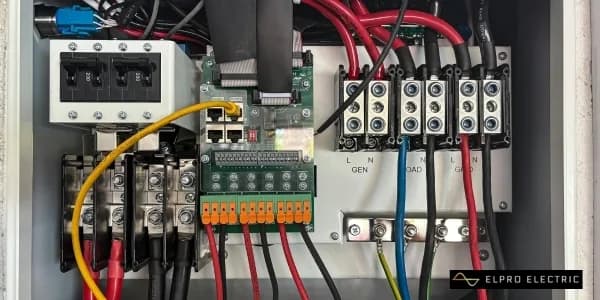
[caption id="attachment_11621" align="aligncenter" width="718"] Vancouver Sub-Panel Upgrade[/caption]
Smart sub-panel technology
represents the most significant advancement in residential electrical distribution since the invention of circuit breakers. These intelligent systems continuously monitor electrical loads, detect potential problems before they cause failures, and provide real-time data about energy usage patterns. Smart panels can automatically load-balance circuits, preventing overloads by temporarily reducing non-essential loads when demand peaks.
Modern smart panels integrate with home automation systems, allowing property owners to monitor and control electrical usage remotely. During peak demand periods when BC Hydro charges premium rates, smart panels can automatically defer non-essential electrical loads like water heating or EV charging to off-peak hours, reducing electricity costs significantly. Some systems can even sell excess solar power back to the grid while optimizing household energy storage systems.
Advanced safety features
Modular expansion capabilities
allow modern sub-panels to grow with changing needs. Rather than installing fixed-capacity systems, today's panels use modular designs that accommodate additional circuits, upgraded components, or enhanced features without complete replacement. This flexibility is particularly valuable as Vancouver properties adapt to evolving technology and changing usage patterns.
Load management systems
prevent circuit overloads by intelligently controlling when high-demand appliances operate. For example, a load management system might prevent an EV charger from operating at full capacity when the electric dryer is running, automatically reducing EV charging rates to prevent circuit overloads. These systems ensure safe operation without requiring users to manually manage electrical loads.
Future-ready capacity planning has become standard practice for professional electrical contractors like Elpro Electric. Rather than installing sub-panels that barely meet current needs, modern installations incorporate anticipated future demands. This includes provisions for additional EV chargers, backup power systems, home batteries, and other technologies that may become standard in coming years.
Energy monitoring and optimization capabilities help property owners understand and control their electricity usage. Detailed usage data identifies energy-wasting appliances, optimal usage timing for variable-rate electricity pricing, and opportunities for efficiency improvements. Some systems integrate with utility demand response programs, allowing property owners to earn money by reducing electricity usage during peak demand periods.
The 2025 Code Revolution: New Standards for Electrical Safety
Enhanced AFCI requirements now mandate arc-fault circuit interrupter protection for virtually all residential circuits. AFCIs detect dangerous electrical arcing—a leading cause of electrical fires—and disconnect power before fires can start. Previously, AFCI protection was required only in bedrooms, but new codes extend this protection to living areas, kitchens, and other spaces where electrical fires commonly originate.
The expansion of AFCI requirements reflects growing understanding of electrical fire causes. Traditional circuit breakers protect against overloads and short circuits but cannot detect the low-level arcing that occurs when wire connections loosen, insulation deteriorates, or cords become damaged. AFCI technology addresses these "series arcs" that cause thousands of electrical fires annually across Canada.
Updated GFCI protection now covers more areas and applications than ever before. Ground-fault circuit interrupter protection prevents electrocution by detecting current leakage and disconnecting power within milliseconds. New requirements extend GFCI protection to outdoor outlets, wet locations, and areas where electrical equipment might contact water or moisture.
EV charging infrastructure requirements represent entirely new categories of electrical code provisions. The 2024 code includes specific requirements for EV charger installations, including dedicated circuits, proper grounding, disconnect switches, and protection against environmental exposure. These requirements ensure that EV charging installations are both safe and code-compliant from the beginning.
EV charger codes also address load management and electrical capacity planning. New installations must consider the impact of EV charging on overall household electrical loads and may require load management systems to prevent circuit overloads. These requirements acknowledge that EV charging represents one of the largest new electrical loads in residential applications.
Professional electrical contractors like Elpro Electric stay current with evolving code requirements through continuing education and certification programs. Working with knowledgeable contractors ensures that electrical upgrades meet current codes and incorporate best practices that exceed minimum requirements.
Investment Analysis: The True Cost of Electrical Upgrades
Understanding the complete financial impact of sub-panel upgrades requires examining both immediate costs and long-term benefits that extend far beyond simple electrical capacity increases. Vancouver property owners who analyze total cost of ownership consistently find that electrical upgrades deliver positive returns on investment through multiple value streams.
Initial installation costs for professional sub-panel upgrades typically range from $3,000-$8,000 for residential applications, depending on panel capacity, complexity, and site-specific requirements. While this represents a significant upfront investment, financing options and BC Hydro rebates can reduce immediate costs substantially. Many Vancouver property owners discover that electrical upgrades qualify for home improvement financing at attractive rates.
Energy efficiency benefits often provide immediate monthly savings that help offset upgrade costs. Modern electrical panels reduce energy waste through improved power factor correction, reduced voltage drops, and optimized load distribution. Property owners typically see 5-15% reductions in electricity costs immediately after professional electrical upgrades, with savings continuing for decades.
Property value increases from electrical upgrades consistently exceed installation costs in Vancouver's competitive real estate market. Properties with updated electrical systems command premium prices and sell faster than comparable properties with outdated electrical infrastructure. Real estate professionals report that modern electrical systems can increase property values by $10,000-$25,000 or more, depending on property type and market conditions.
Insurance cost reductions provide additional financial benefits for properties with upgraded electrical systems. Many insurance companies offer discounts for homes with modern electrical panels, AFCI/GFCI protection, and professional electrical codes compliance. These premium reductions often amount to hundreds of dollars annually while providing better coverage for electrical-related damages.
Avoided emergency costs represent perhaps the most significant financial benefit of proactive electrical upgrades. Emergency electrical repairs during outages or failures typically cost 2-3 times more than planned upgrades performed during normal business hours. Emergency electrical failures also cause secondary damages—spoiled food, business interruption, damaged electronics—that can cost thousands of additional dollars.
Technology enablement benefits allow property owners to fully utilize modern appliances and systems that require adequate electrical capacity. Heat pumps, induction cooking, EV chargers, and home automation systems operate more efficiently and reliably when supplied with proper electrical infrastructure. These efficiency gains compound over time, delivering ongoing savings throughout equipment lifespans.
Financing and rebate programs make electrical upgrades more accessible than ever. BC Hydro offers rebates for electrical infrastructure upgrades that support heat pump installations, EV chargers, and energy efficiency improvements. FortisBC provides incentives for electrical upgrades that enable conversion from natural gas systems. Municipal programs and federal tax credits may provide additional financial assistance.
Professional Installation: Why Expertise Matters More Than Ever
Load calculation expertise ensures that new electrical systems meet both present and anticipated power needs safely and efficiently. Skilled electricians perform detailed load analyses to prevent undersized or oversized panels, which can lead to inefficiencies or hazards. This expertise guarantees that every circuit receives appropriate capacity to handle its intended load without risk of overload or nuisance tripping.
Expert installation ensures compliance with proper grounding, bonding, and wiring techniques, critical for system reliability and fire prevention. Professionals use high-quality materials and follow strict protocols required for permitting, inspections, and insurance considerations. Professional installation also mitigates costly rework and diagnostic challenges from amateur or DIY attempts.
Future-proofing your electrical infrastructure through professional upgrades paves the way for seamless technology integration, such as multiple EV chargers, additional heat pumps, solar energy systems, and home automation expansions. Electricians implement modular sub-panel designs and load management systems that adapt as your energy needs evolve.
Elpro Electric | Vancouver Trusted Electrician
FAQs
What are the signs that I specifically need a sub-panel upgrade in Vancouver? A sub-panel upgrade is necessary if your existing panel trips frequently, if your home has added major electric appliances like EV chargers or heat pumps, or if you're expanding living spaces that require separate electrical circuits. Vancouver homes with older 60-100 amp panels often benefit significantly from a modern sub-panel installation to handle increased load capacity safely.
How long does a professional sub-panel upgrade take for a Vancouver home? Typically, a sub-panel upgrade requires one to two days, depending on the complexity of your home's electrical system and necessary wiring upgrades. Licensed electricians will also handle permits and inspections to ensure compliance with British Columbia electrical codes.
Can upgrading to a smart sub-panel help reduce my energy bills? Yes. Smart sub-panels offer real-time energy monitoring and load management that optimize when and how electricity is used in your home. This can defer high-energy usage to off-peak hours, lower demand charges, and enable you to integrate renewable energy sources more efficiently.
People Also Ask
What is the difference between a main panel and a sub-panel? A main panel distributes electricity from the utility to the entire property, while a sub-panel provides additional circuits to specific areas or appliances, allowing for more capacity and better load management without replacing the main panel.
Are sub-panel upgrades necessary for electric vehicle (EV) charging installations? Yes, EV chargers often require dedicated circuits with high amperage, which older electrical panels may not support. A sub-panel upgrade can provide the necessary capacity safely and meet electrical code requirements.
What financing options are available for electrical sub-panel upgrades in BC? Various programs including BC Hydro rebates, municipal incentives, and home improvement financing plans help reduce upfront costs of electrical upgrades, making them more accessible for Vancouver homeowners.
Tags: sub-panel upgrade Vancouver, electrical panel upgrade 2025, smart electrical panels BC, EV charger electrical upgrade, professional electrical installation Vancouver