
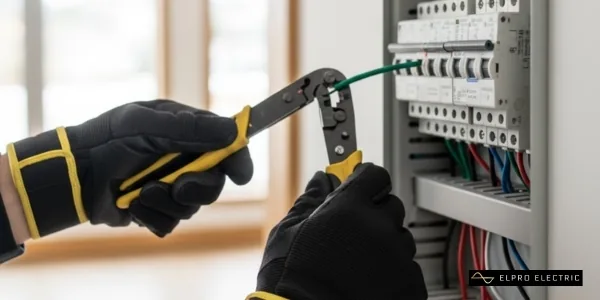
The Science of Electrical Safety: Why Your Main Panel Needs Help
Electrical load distribution becomes critical as homes demand more power than ever before. Your main electrical panel acts like the central nervous system of your home's electrical network, with each circuit breaker protecting individual circuits from receiving more current than they can safely handle. When too many high-demand devices operate simultaneously—think electric vehicle charging while running the dryer, heat pump, and multiple home office setups—the main panel experiences stress that can lead to overheating, arcing, and component failure. Vancouver homes built in the 1970s-1980s typically feature 100-amp or 150-amp main panels designed for households using 30-40% of today's electrical demands.
Heat generation and fire risk increase exponentially when electrical systems operate beyond their designed capacity. Overloaded circuits generate excess heat that breaks down wire insulation, creates loose connections, and can ignite surrounding materials. The BC Fire Commissioner reports that electrical failures cause approximately 25% of residential fires, with overloaded panels representing a significant contributing factor. Sub-panels reduce this risk by distributing electrical loads across multiple panels, ensuring that no single panel bears excessive demand while providing dedicated circuits for high-amperage appliances.
Arc fault protection becomes more effective with properly designed sub-panel systems. Modern sub-panels can be equipped with advanced arc fault circuit interrupters (AFCIs) that detect dangerous arcing conditions and shut off power before fires can start. When these protective devices are distributed throughout the home via sub-panels rather than concentrated in a single main panel, they provide more precise protection and faster response to developing electrical problems.
Strategic Sub-Panel Applications: Where They Make the Biggest Difference
Home addition and renovation projects represent the most common and beneficial sub-panel applications. When adding square footage, finishing basements, or creating accessory dwelling units, code typically requires dedicated electrical service that doesn't compromise the main home's electrical system. A properly sized sub-panel provides this dedicated service while maintaining the flexibility to expand or modify circuits as renovation needs evolve. Vancouver's laneway house boom has made sub-panel installation essential for creating independent electrical systems that meet city requirements while preserving main home capacity.
Electric vehicle charging infrastructure demands significant electrical capacity that most older homes cannot safely provide through existing main panels. Level 2 EV chargers typically require 40-60 amp dedicated circuits—equivalent to an electric dryer or range. Installing this capacity through a sub-panel ensures that EV charging doesn't create dangerous overloads while maintaining power availability for other household needs. With BC's zero-emission vehicle mandate driving EV adoption, sub-panels have become essential for future-proofing Vancouver homes.
Home office and technology hubs require dedicated circuits that provide stable power without interference from household appliances. Sub-panels allow creation of "clean" electrical zones with dedicated grounding and protection specifically designed for sensitive electronics. This becomes particularly important for Vancouver professionals working from home who depend on reliable power for video conferencing, computer equipment, and high-speed internet infrastructure that cannot tolerate power fluctuations or outages.
Workshop and garage applications benefit enormously from dedicated sub-panel service that provides the heavy-duty circuits needed for power tools, welding equipment, car lifts, and other high-demand devices. These applications often require 240V service and high amperage capacity that would overwhelm residential main panels designed primarily for household appliances. Sub-panels installed in detached garages or workshops also provide convenient local control and eliminate the need to run multiple heavy-gauge circuits from distant main panels.
Future expansion planning represents perhaps the most overlooked benefit of strategic sub-panel installation. Rather than waiting until electrical capacity becomes a problem, proactive homeowners install sub-panels during renovations or maintenance periods when access is easier and costs are lower. This forward-thinking approach provides the electrical infrastructure needed for future technologies, appliances, or lifestyle changes without requiring disruptive and expensive electrical system overhauls.
Professional Installation: Why DIY Sub-Panel Projects Fail Dangerously
[caption id="attachment_11634" align="aligncenter" width="600"] Vancouver Electrician Sub-Panel Service[/caption]
Sub-panel installation might seem straightforward to experienced DIY enthusiasts, but the complex electrical and code requirements create numerous opportunities for dangerous mistakes that can result in fires, electrocution, code violations, and insurance problems. Understanding these risks helps Vancouver homeowners appreciate the value of professional installation.
Grounding and bonding mistakes represent the most common and dangerous DIY errors in sub-panel installation. The BC Electrical Code requires specific separation of neutral and ground conductors in sub-panels—a requirement that differs from main panel configurations. DIY installers frequently create dangerous "bootleg grounds" by connecting neutral and ground bars together in sub-panels, creating multiple return paths for electrical current that can energize metal components and create shock hazards. Professional electricians understand these grounding requirements and ensure proper installation that protects both people and equipment.
Load calculation errors lead to undersized feeders, inadequate sub-panel capacity, and overloaded circuits that create fire hazards. Calculating proper electrical loads requires understanding demand factors, continuous loads, and future expansion needs—calculations that inexperienced installers frequently get wrong. Undersized feeders create voltage drops and overheating, while oversized installations waste money and may not provide proper protection. Licensed electricians use proven calculation methods and understand local code requirements that ensure safe, properly sized installations.
Feeder installation complexities involve running large-gauge cables through existing structures while meeting code requirements for protection, support, and accessibility. DIY installers often create code violations by improper cable routing, inadequate support, or failure to provide required overcurrent protection at the source. These installations may appear functional initially but can create fire hazards or fail during electrical emergencies when proper protection is most needed.
Equipment selection mistakes result from lack of familiarity with commercial-grade electrical equipment required for sub-panel installations. Residential-grade panels, breakers, and disconnect switches may not provide adequate protection or durability for sub-panel applications. Professional electricians understand equipment ratings, compatibility requirements, and manufacturer specifications that ensure reliable long-term operation.
Cost-Benefit Analysis: Why Sub-Panels Represent Smart Investment
Energy efficiency improvements result from stable voltage delivery and reduced electrical losses in properly designed sub-panel systems. Overloaded main panels often experience voltage drops that force motors and electronic devices to draw higher current to maintain performance, increasing energy consumption and utility bills. Sub-panels that distribute loads effectively maintain stable voltage that allows appliances to operate efficiently, potentially reducing monthly electricity costs by 5-8% in homes with significant electrical demands.
Property value enhancement becomes increasingly important in Vancouver's competitive real estate market where modern electrical infrastructure influences buyer decisions and property valuations. Homes with adequate electrical capacity, professional sub-panel installations, and code-compliant electrical systems command premium prices and sell faster than properties with outdated or inadequate electrical service. Real estate professionals report that modern electrical systems can add $8,000-15,000 to property values while reducing time on market significantly.
Future upgrade cost avoidance provides long-term financial benefits by creating electrical infrastructure that supports evolving technology and lifestyle needs. Homes with properly installed sub-panels can accommodate EV chargers, heat pumps, home offices, and other modern electrical demands without requiring expensive electrical service upgrades. The cost of retrofitting electrical capacity after construction completion typically exceeds proactive sub-panel installation by 200-300%, making early investment highly cost-effective.
Insurance premium benefits may be available for homes with modern electrical systems that demonstrate reduced fire risk and code compliance. Some insurance companies offer discounts for homes with updated electrical systems, professional installation documentation, and regular maintenance records. While individual savings may seem modest, these premium reductions compound over time while providing additional coverage protection during claims processing.
Planning Your Sub-Panel Project: What Vancouver Homeowners Need to Know
Successful sub-panel installation requires careful planning that considers current electrical needs, future expansion plans, and integration with existing electrical systems. Understanding these planning considerations helps homeowners work effectively with professional electricians to achieve optimal results.
Current load assessment forms the foundation of effective sub-panel planning by identifying existing electrical demands and potential overload conditions. Professional electricians use specialized equipment to measure actual electrical usage patterns, identify peak demand periods, and calculate available capacity in existing electrical systems. This assessment reveals whether sub-panel installation can work within existing service capacity or requires main electrical service upgrades to support additional loads safely.
Future expansion planning ensures that sub-panel installations provide adequate capacity for anticipated electrical needs rather than simply addressing current requirements. Vancouver homeowners should consider potential additions of EV chargers, heat pumps, home automation systems, and other emerging technologies that will require dedicated electrical circuits. Professional planning includes spare circuit capacity and provisions for future expansion that avoid costly modifications when electrical needs evolve.
Location and accessibility considerations affect both installation costs and long-term usability of sub-panel systems. Optimal sub-panel locations provide easy access for maintenance and circuit modifications while minimizing feeder run distances from main panels. Professional electricians evaluate structural requirements, code clearance needs, and practical accessibility to recommend locations that balance installation economy with operational convenience.
Permit and timeline coordination helps homeowners plan sub-panel installation effectively within renovation schedules and budget constraints. BC electrical permits typically require 2-3 weeks processing time, and installation scheduling depends on material availability and inspection coordination. Professional contractors provide realistic timelines and help coordinate sub-panel installation with other trades to minimize project disruption and optimize construction efficiency.
Vancouver Electrician Sub-Panel Service Expert
When you're ready to eliminate electrical overloads and create the flexible electrical infrastructure your modern home needs, trust Elpro Electric's expertise to deliver professional results that protect your family and investment for decades to come.
FAQs
What makes Elpro Electric a trusted Vancouver electrician for sub-panel installation? Elpro Electric offers licensed, professional electrical services with extensive experience in Vancouver’s code requirements, ensuring safe, compliant, and high-quality sub-panel installations for home upgrades.
How long does a typical sub-panel installation take in a residential Vancouver home? Depending on the complexity and home size, a sub-panel installation usually takes 1-2 days, including permits and inspection coordination for code compliance.
What are the signs that my home needs a sub-panel upgrade? Frequent breaker trips, dimming lights during heavy appliance use, or planning major renovations such as EV chargers or workshops are strong indicators you need a sub-panel upgrade.
People Also Ask
Why is arc fault protection important in residential electrical systems? Arc fault protection detects dangerous electrical arcs early to prevent fires, especially in older homes with aging wiring, by shutting off power before hazards escalate.
How do sub-panels help with voltage stability? By distributing electrical loads across multiple panels, sub-panels reduce voltage drops and ensure stable power delivery to sensitive electronics and appliances.
Can sub-panels handle future electrical load increases? Yes, sub-panels are designed with spare capacity to accommodate future expansions like EV chargers or smart home systems, reducing the need for costly rewiring.
What are common mistakes DIYers make with sub-panel installations? Mistakes include incorrect grounding, improper load calculations, and lack of permits, which can lead to shock hazards, fires, and insurance issues.
Does Elpro Electric provide electrical system evaluations before sub-panel installation? Yes, Elpro Electric conducts comprehensive load assessments and offers professional advice to ensure your electrical upgrades meet current and future home power needs safely.